
See how much does it cost for siding on a house?
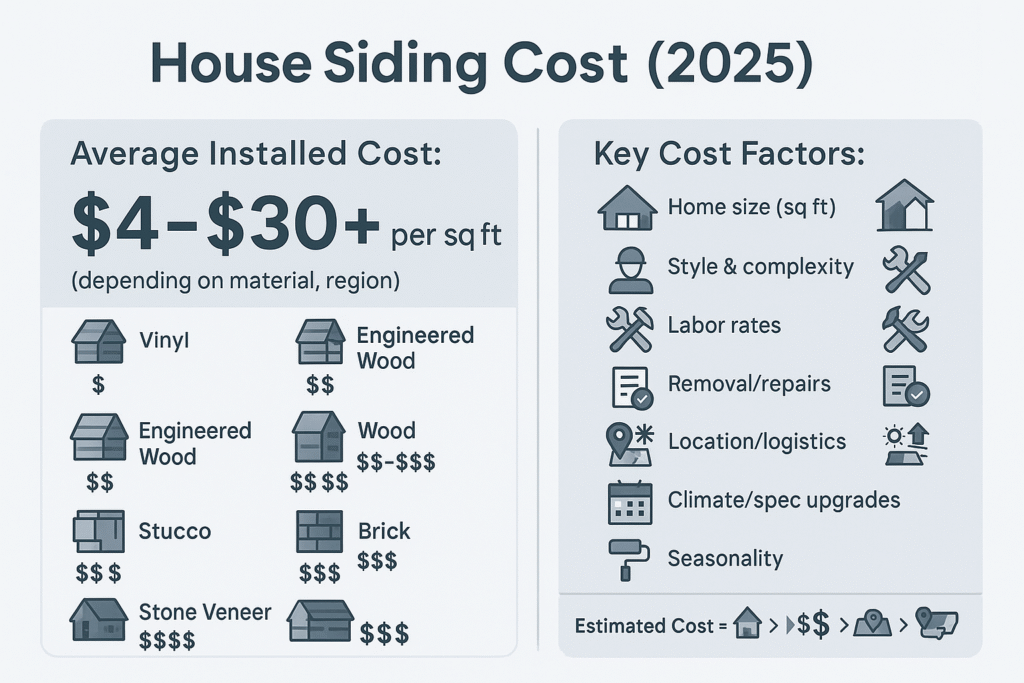
In my last renovation, I found the real costs to reside a house, it can swing a lot, as low as $4 and others at $30+ per sq ft and those ranges shift as you reside a house with different siding types. Prices vary with build quality, materials, your area and project size, plus the specific siding process. Whether it’s a complete housing replacement or simple repairs in your vicinity, I aim to avoid surprises by making a better decision through deeper resarch from start to end.
I keep a practical guide so I know what’s financially best for my choices and I plan irrespective of hype or seasonal noise.
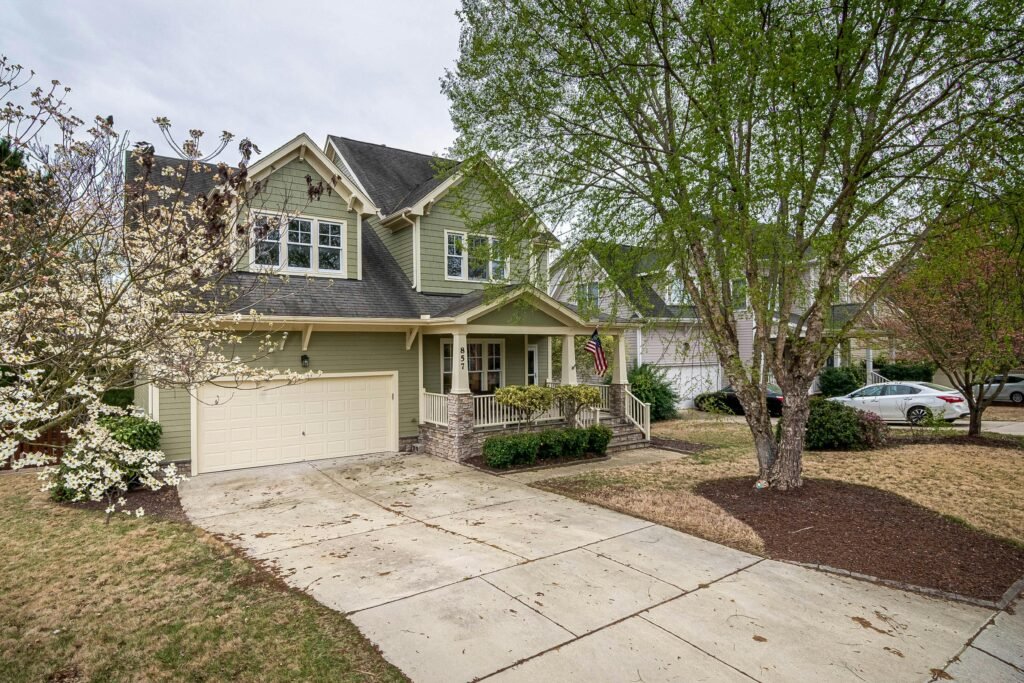
What Affects House Siding Costs
From my estimator’s notebook, replacing home’s siding can enhance curb appeal and overall value, yet it’s a substantial investment that works best with careful planning and budgeting; this mini comprehensive overview highlights the key factors that influence siding replacement costs, uses sample estimates to support informed decisions, and shows how house siding shapes and sizes affect varying costs; the type of siding material matters because different materials and popular options—vinyl siding, wood siding, brick siding, engineered wood, cement siding, aluminum siding, stucco siding—price differently;
The size of the house and its square footage in your home can directly impact the total cost, with larger jobs carrying higher direct costs and indirect costs that don’t always show up on the first quote.
On actual sites, I see labor costs driven by the effort and time it takes to side a house, especially when materials are heavy, hard to manage, and that increases overall labor costs; the existing siding condition matters too—if we must remove old siding before installing new siding, and the previous material is harder to work with, the final cost climbs.
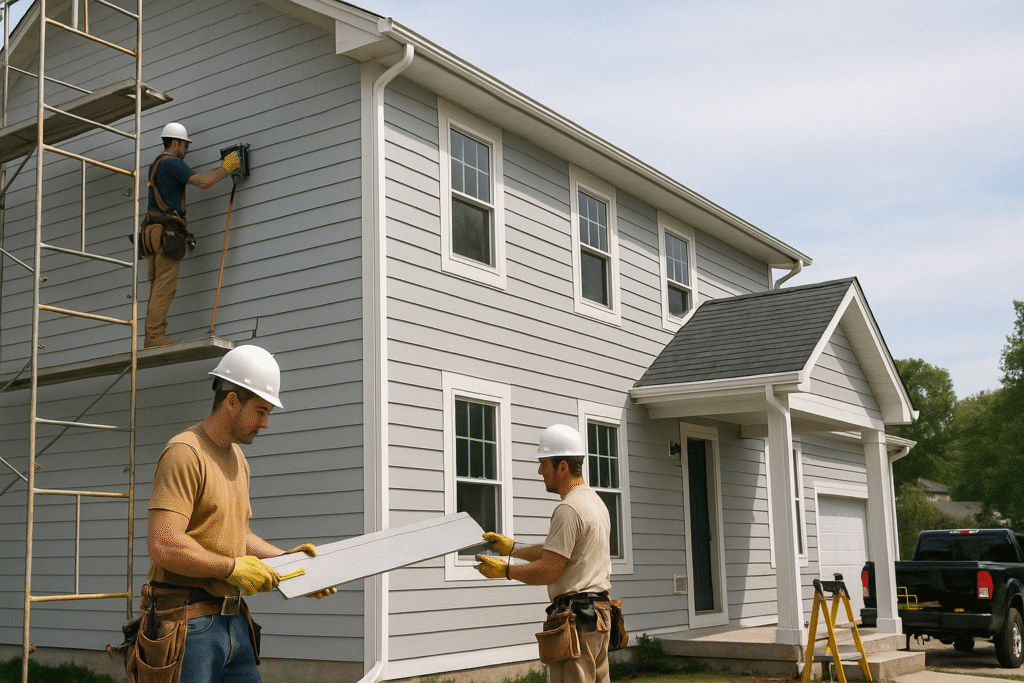
Real-World Benefits of Replacing House Siding
How much does it cost for siding on a house? Real-World Benefits of Replacing House Siding.
A fresh siding job does more than “look new.” Done right, it tightens the shell of your home, reduces upkeep headaches, and can even put money back in your pocket when you sell. Here’s what I see most often on projects:
- Curb appeal that actually sells
New profiles, cleaner lines, and updated colors make the whole façade read newer and better cared for. It’s the fastest exterior refresh short of a full addition, and buyers notice. - Stronger resale math
ROI depends on your market and material, but recent remodeling data puts fiber-cement projects around 106% and vinyl near 101% at resale—meaning many owners recoup roughly the full cost (or better) in typical conditions. - Lower utility spend
With proper housewrap, flashing, and air-sealing around openings, we routinely measure tighter envelopes—roughly ~10% better airtightness—and see heating bills drop in the neighborhood of ~8%. Your results will vary, but the direction is consistent. - Tougher weather defense
Sound siding blocks wind-driven rain, shrugs off UV, and handles salt exposure better on coastal homes. It also closes up entry points pests love, helping prevent hidden damage. - Quieter, calmer interiors
Heavier assemblies (fiber cement, engineered wood with solid sheathing) damp road noise and gusty-day rattles. It’s a small quality-of-life upgrade you feel immediately. - Less maintenance over time
Modern finishes and PVC/engineered trims hold paint longer and resist rot. That means fewer weekend repairs and longer repaint cycles compared with tired wood cladding. - Safer moisture management
Tear-off gives you a chance to fix flashing errors, replace soft sheathing, and add rainscreens where appropriate—preventing the mold and delamination I often find behind old layers. - Insurance and warranty perks
Impact- or fire-resistant options (e.g., fiber cement, some engineered products) can improve insurability, and manufacturer warranties add another layer of protection when installed to spec. - Budget options still help
Even entry-level vinyl, installed cleanly with matched trim, can transform a dated exterior. If you’re value-focused, this is often the sweet spot for curb appeal per dollar.
If you’re weighing materials, create a side-by-side with first cost, repaint/reseal cycle, expected life, and local comps at resale. That simple worksheet makes the trade-offs obvious—and keeps the project on budget without sacrificing the look you want.
What Else Moves the Needle on Siding Prices?
A siding quote is more than material and square footage; style choices, access, permits, location, season, and finishing details all nudge the number up or down. Below are the specific levers I see change bids most often, with plain-English notes and real-world ranges so you can budget with fewer surprises.
Siding Style: Classic vs. Specialty Profiles
Plain profiles like clapboard or Dutch lap usually sit at the base rate, while decorative looks—scallop, board-and-batten, or shingle—cost more because they require extra cuts, more fasteners, and slower install speeds. Expect higher waste factors and added trim pieces with those specialty styles.
Home Design: Shape, Details, and Complexity
Simple, linear exteriors (think farmhouse rectangles) are quicker to re-side than Tudor-style facades with lots of jogs and details. Steep roof pitches, large gables, half-timbering, and decorative brickwork extend layout and cutting time, and can push labor premiums up to about 50% on complex elevations.
Second Story & Access: Staging, Ladders, and Time
Adding a second story generally raises costs—often up to 35%—because crews need staging, longer ladder moves, more safety steps, and additional setup time. Tight side yards, limited driveway space, or tricky backyards can add access charges even on single-story homes.
Old Siding Removal & Disposal
If the existing layer is sound, installers can sometimes go over it and save you money. When removal is required, budget a typical add of about $2,000, or roughly $0.25–$0.75 per square foot, plus dumpster and haul-off fees. Heavier or stubborn materials take longer and cost more to strip.
Permits & Inspections: Rules and Fees for Local Cities/Towns
Most of the cities would require a building permit for a complete renovation. The permits themselves typically run between $150 and $1,500 for a given project’s value and scope, while inspections are in the 100–500 range. Lead-paint restrictions on older homes could also mean more prep and paperwork.
Location & Logistics: City vs. Remote Costs
Material transport and crew travel cost more in remote locations, while high-demand metropolitan markets might experience increased labour rates. Weather windows, traffic, and delivery restrictions can influence crew productivity and, consequently, your final bill.
Climate Risk & Material Choice (e.g., Fibre Cement, Brick, Stone)
Harsh weather or wildfire-prone regions tilt the math toward tougher cladding like fibre cement (e.g., James Hardie), brick, or stone. They’re pricier up front but can reduce the frequency of repainting, resist damage better, and retain their value longer—which is useful if you plan to stay a while.
Seasonal & Schedule Differences: The Difference between Peak and Off-Season
Booking in high season inflates bids; booking in the shoulder or low months can free up discounts. Ask contractors, “When do you have your slowest weeks?” and be open to start dates in order to get better pricing. Ask contractors, “What are your slowest weeks?” and be flexible on start dates to capture better pricing.
Finishing Touches: Exterior Paint
Exterior paint isn’t always in the first estimate. U.S. exterior paint jobs average about $3,178, and specialized coatings for stone, stucco, or brick veneer can run roughly double. Prep work (washing, patching, priming) is a major cost driver—don’t skip it in the scope.
Trim Upgrades: PVC vs. Wood (Veranda, Azek)
Trim typically adds around $1,381 to the total, depending on linear footage and profiles. Premium PVC options from brands like Veranda and Azek usually price above natural wood but deliver crisp lines, moisture resistance, and low maintenance that many homeowners prefer over the long haul.
How do I decide between renting and buying right now?
Treat it like a six-year decision. If you won’t stay ~5–6 years, need flexibility, or have high-interest debt, renting can actually come out ahead. In 2025 scenarios, comparable rentals can be roughly ~$400/month cheaper than owning once you add taxes, insurance, and upkeep—so run the math, not the myth.
What’s my “real” monthly housing cost beyond rent/mortgage?
Add these: property tax, homeowners/renters insurance, HOA/condo dues, utilities/internet, maintenance/repairs, commuting/parking, and a reserve for surprises. For owners, the “hidden” line items alone can top ~$21,000 per year on average—so budget for them from day one.
I’m renting—what must be in the lease so I don’t get burned?
Clear rent/late-fee rules, deposit and refund timeline, repairs responsibility, pet/guest policy, renewal/exit terms, and an inventory with meter readings and move-in photos. Also confirm application fees and what’s included.
What should I inspect before I move in or make an offer?
Test every tap/outlet, check water pressure and drains, examine roof/exterior, windows/door seals, HVAC age/service, smoke/CO alarms, and signs of leaks or pests. Before move-in, change locks and get utilities live.
How much should I set aside annually for home maintenance?
Use a simple rule of thumb: 1%–4% of the home’s value per year (lower for newer homes; higher for older/complex homes). If that feels abstract, start at 1% and adjust after a year of real bills.
What risks at closing should I watch for?
Biggest one: wire-fraud emails that spoof your agent or title company. Always verify wiring instructions by calling a known phone number (never the email’s number) and confirm names/account details before sending funds.
What documents and rights matter most when buying?
Preapproval letter, Loan Estimate, purchase agreement with contingencies (inspection, appraisal, financing), title report, homeowners insurance binder, and the Closing Disclosure. Know your RESPA and fair-housing rights, and consider a HUD-approved housing counselor if you’re unsure.
Can guests or subtenants reside a house with me?
Only if your lease/HOA and local laws allow it. Many leases require landlord approval for long-term guests or subletting—get permissions in writing first.
Is there a difference between “reside a house” and “occupy a house”?
Practically, both mean living there. “Occupy” is often used in legal/permit language; “reside” refers to your home status (where you actually live).
What address and admin tasks help once I reside a house?
Submit a change-of-address, update IDs/banks/employers, register with HOA/management (if any), note meter readings, and store keys, codes, and emergency contacts securely.
What Affects House Siding Costs?
Material and grade. Vinyl is usually the budget pick; fiber-cement and engineered wood sit mid to upper; metals, stucco, brick/stone veneer trend higher. Typical installed ranges (national): vinyl about $2.5–$10.75/ft²; fiber-cement roughly $5–$15/ft².